Exploring the Dark Side: The Intriguing Intersection of Art and Torture
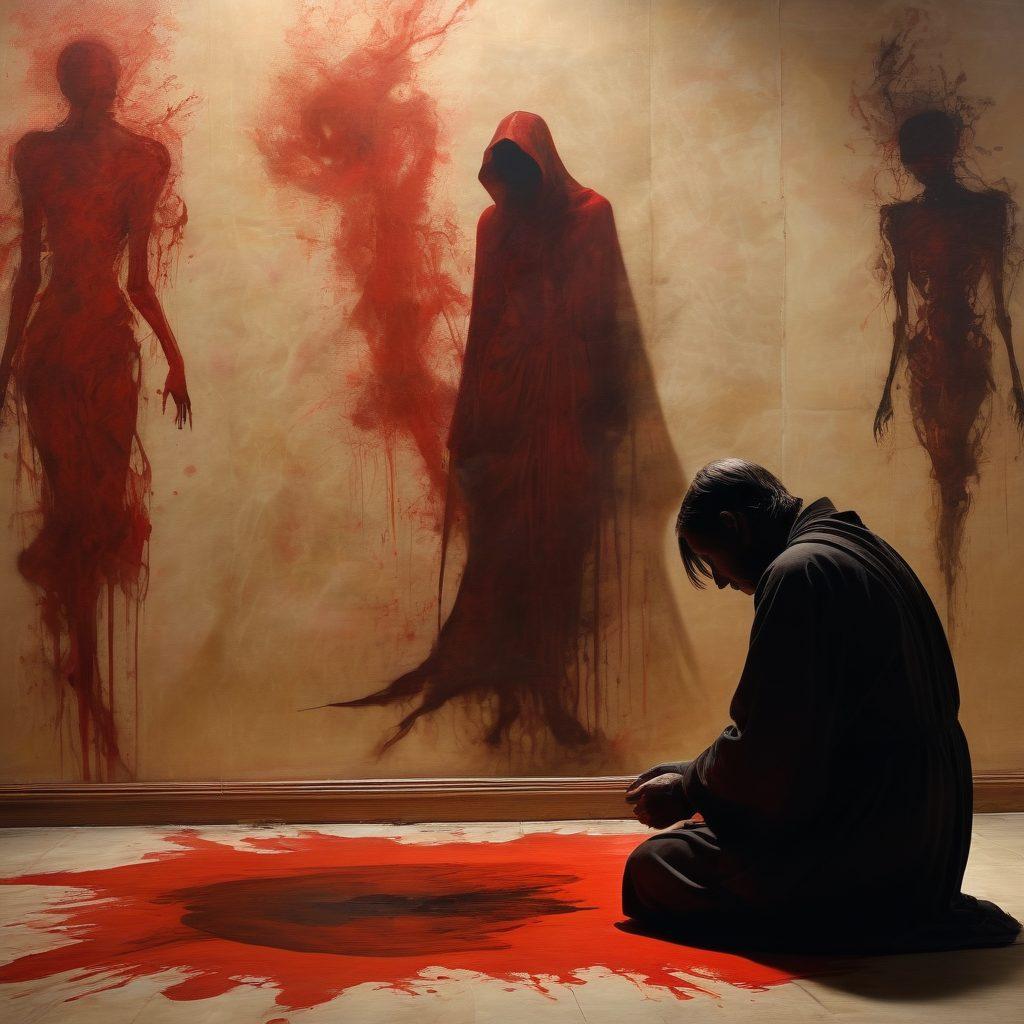
Art is often seen as a sanctuary for the soul—a place where beauty and imagination collide to bring forth creativity. But what happens when we peel back the layers of paint and explore the hidden depths of artistic expression? At the intersection of artistry and agony, we find a world brimming with torturous artistry that continues to captivate and provoke thought. Have you ever pondered how pain shapes creative expression? Journey with us as we delve into the visceral realm of torture aesthetics, where suffering becomes a canvas and cruelty serves as an inspiration. This exploration is not just about curiosity; it’s an unveiling of the relationship between art and suffering, and how historical oppression has influenced the way artists interact with pain.
Throughout history, artists have utilized their craft to confront and reflect on the darker facets of humanity. From the macabre craftsmanship of gothic art to the haunting imagery of psychological torture, there's a legacy of showcasing brutal realities woven into the tapestry of creative expression. Take, for instance, the works of artists who lived during times of war or persecution. Their creations often depicted the harsh realities of life—though painful, these reflections brought clarity and awareness to societal issues. This artistic brutality resonates with viewers, reminding us that beauty can sometimes emerge from the ashes of anguish. Could it be that the most profound expressions arise in the throes of torment?
It is intriguing to consider how some artists transform suffering into a source of inspiration, creating dark creativity that reflects a unique perspective on life. Art historians often discuss the relationship between the history of pain and artistic evolution—how macabre themes resonate through generations, providing insight into the human condition. When we think of famous paintings or sculptures depicting themes of agony or loss, we're met with a difficult yet beautiful truth: that suffering becomes immortalized through artistic endeavors. What if we viewed pain not merely as an affliction but also as a catalyst for profound beauty?
In the world of torturous artistry, we encounter works that are nothing short of visceral. The use of nightmarish techniques often serves to disorient and provoke the viewer, inviting them into a dialogue around torture symbolism in art. Picture a sculpture that embodies the agony of oppression, each sharp edge and twisted form conveying a visceral understanding of suffering. The viewer is left to confront unbearable emotions, their own interpretation shaped by personal experiences with pain. How does this affect our perception of beauty? This dichotomy of anguish and allure invites us to contemplate the role pain plays in our connection to art and, indeed, to each other.
As we navigate through the corridors of inhumane art, it is crucial to examine the motivations behind such creations. Are they merely reflections of their creator's experiences, or are they broader commentaries on societal conditions? In a world filled with violence and injustice, many modern artists embrace the concept of painful beauty. They seek not just to provoke but also to awaken empathy in their audiences, challenging us to confront our own experiences with suffering. Such powerful expressions leave us with the question: what can we learn from the marriage of art and suffering? The answer may lie within the realization that, in understanding pain, we can foster compassion and appreciation for the beauty that emerges from the depths of darkness.
The Aesthetics of Suffering: Exploring Cruel Art Forms Across History
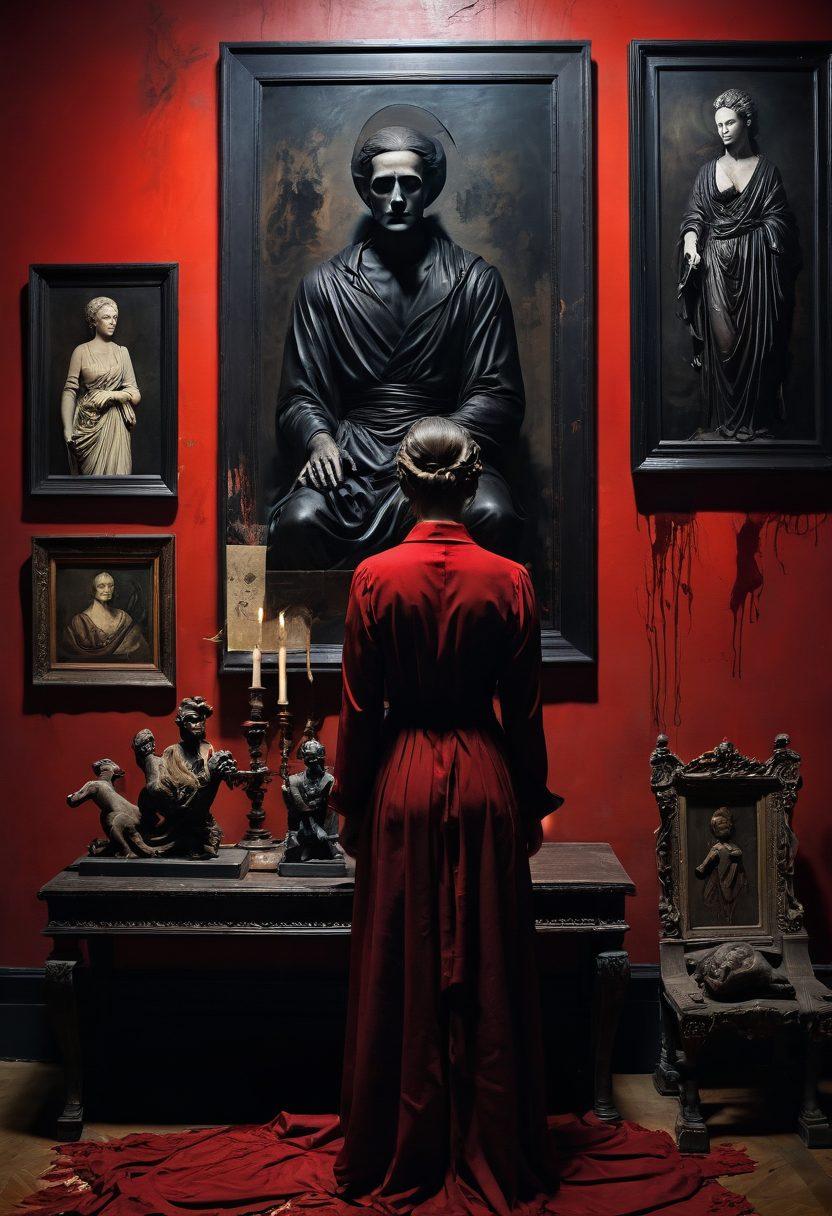
Art has long served as a mirror reflecting the complexities of human experience, revealing our deepest fears, desires, and yes, even our capacity for cruelty. At the crossroads of creativity and pain lies a haunting question that has echoed throughout the annals of time: Can beauty truly be borne from suffering? This intersection of art and torment paints a vivid picture of what can be termed 'torturous artistry.' As we delve into the aesthetics of suffering, we’ll encounter the chillingly fascinating realm of cruel art forms that have both horrified and mesmerized societies across the globe.
Consider the Gothic art of the Middle Ages, where tormented saints and epic depictions of martyrdom adorned cathedral walls. These images, steeped in the history of pain, serve not simply as relics of religious devotion but also as expressions of psychological torture that resonate with the viewer's innermost fears. Through these dark masterpieces, one can feel the palpable dread of historical oppression that plagued an era. How does one reconcile the painful beauty of such artistry with the suffering it illustrates? This contrast prompts deeper reflection on our understanding of aesthetic pleasure derived from distress.
Moreover, think of the visceral art showcased in modern installations that confront audiences with their raw, unsettling truths. 'Artistic brutality' often manifests in this arena, using nightmarish techniques to invoke powerful emotions and challenge our perception of reality. Some may ask, 'Is this cruelty cloaked in creativity necessary?' Yet, it's precisely this discomfort that invites us to confront our own fears and discomforts, allowing us to witness the dark creativity that humans possess. Indeed, it reveals how art can serve as both a refuge and a prison for the tormented artist, presenting a dichotomy of expression.
As we navigate through the morbid creativity of artists like Francisco Goya and Edvard Munch, we realize that these figures have turned suffering in art into a commentary on the human condition. Their works often draw upon the themes of torture symbolism, revealing not only the inhumane realities of their times but also the internalized struggles within themselves. Just as the phrase 'Art is the most beautiful of lies' implies, what they reveal may be grim, but it rings with an undeniable truth. How can we, as modern observers, absorb this emotional baggage while still finding beauty in the artistic torment presented?
Finally, as we reflect on these portrayals, one cannot help but consider the transformative potential of embracing both art and suffering. Acknowledging the layers of pain embedded in these cruel art forms can lead to a more profound appreciation of artistic endeavors that challenge societal norms. Therefore, to truly understand the narratives crafted through artistic torment, we must ask ourselves: How can we channel our face-to-face with suffering into powerful expressions that enrich, rather than exploit? In doing so, perhaps we can honor the past while crafting a future that recognizes the beauty within the dark shadows of human existence.
Macabre Craftsmanship: The Dark Symbolism of Torture in Art

Art has long been a reflection of the human experience, encompassing love, joy, and beauty, yet it often delves into the darker corners of our psyche—areas filled with pain, suffering, and torment. One cannot discuss the macabre craftsmanship of art without acknowledging the torturous artistry that has emerged through history. Whether it’s gothic art depicting nightmarish techniques or more contemporary forms exploring the psychological torture inherent in our society, the intersection of art and suffering becomes a fascinating tapestry of human existence. Is it possible that the beauty in pain is, in fact, a mirror reflecting our deepest fears and traumas?
As we unravel the painful beauty of torture aesthetics, we find ourselves entranced by the cruel art forms that reveal the history of pain within our culture. Take, for example, the ancient tools of torture, historically designed to inflict suffering. Artists have found inspiration in these inhumane practices, transforming the anguish of oppression into striking visual representations. When we look at such artworks, we confront the unsettling question: how much cruelty is too much when it comes to expressing our truth?
Consider the captivating allure of visceral art that exposes the raw edges of human emotion. Artists like Francisco Goya employed dark creativity through stunning yet haunting visuals, capturing the essence of human suffering. His work prompts us to ponder the duality of art—can artistic torment truly serve as catharsis, or does it merely celebrate pain? As we graze the surface of historical oppression through these artistic lenses, we are compelled to recognize both the darkness and resilience within our shared humanity—what does it tell us about our collective struggle?
Furthermore, the thematic exploration of torture symbolism in contemporary art generates an atmosphere of discomfort yet profound insight. Artists explore the boundaries of morality and question the ethics behind their creations. You may wonder, does creating art rooted in suffering glorify the very elements we wish to condemn? Or does it, instead, evoke a necessary dialogue surrounding the complexities of trauma that individuals and communities face? The lines we draw between art and real-life suffering may seem blurred, yet they are undeniably significant.
Ultimately, engaging with the dark side of art challenges us to confront our own emotional landscapes. The marriage of artistic brutality and humanity can provoke deep reflection and even inspire change. As we embrace this unsettling journey through macabre craftsmanship, let us be reminded that the most formidable art often emerges from profound pain. So next time you stand before a piece steeped in historical darkness, ask yourself: what stories lie hidden within its layers, and how can they teach us to embrace our vulnerabilities while cultivating empathy in our shared human experience?